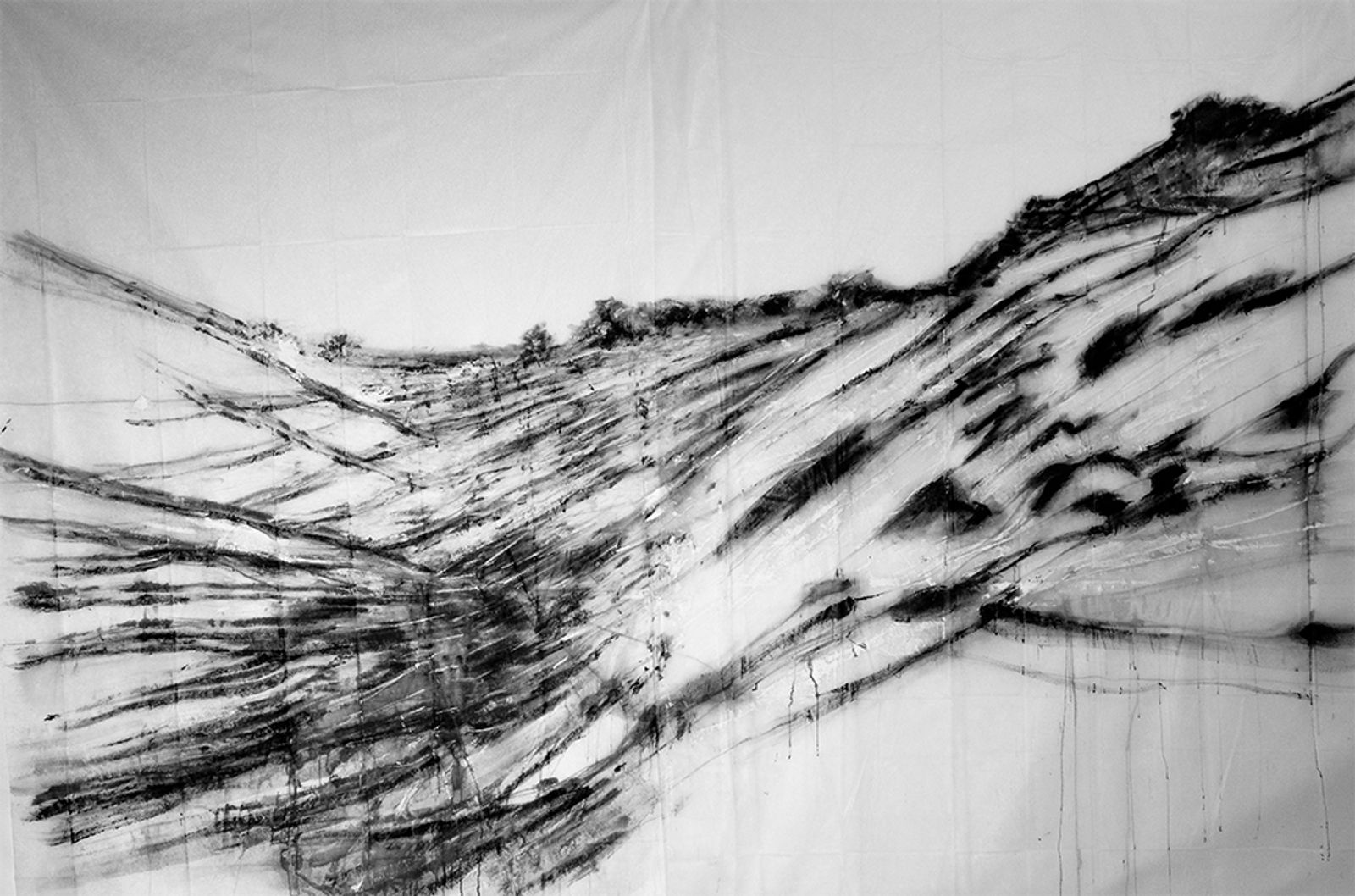
Umano Post Umano
Concept, composition, electroacoustic music: Agostino Di Scipio Video projections, stage design, lighting direction, live camera mixing: Matias Guerra
- Gianni Trovalusci – flutes, computer, live camera
- Alice Cortegiani – bass clarinet, computer, clavette, live camera
- Gabriele Boccio – cello, computer, live camera
- Marco Di Gasbarro – tam-tam, clavette
- Agostino Di Scipio – electroacoustic chains, computer, clavette
- Mario Gabola – saxophone and electroacoustic feedback
- Dario Sanfilippo – computer, live camera
- Giuseppe Silvi – electronic timpani, computer, clavette, live camera
Voices (off-stage): Kostas Paparrigopoulos, Dimitris Exarchos Directorial assistants: Federico Mari Fiamma, Daniel Scorranese IT support: Marco Matteo Markidis
- Year: 2024
- Venue: Mattatoio La Pelanda, Rome — 19 December 2024, 21:00
The Project
Umano Post Umano is a chamber music (and theatre) project by Agostino Di Scipio, premiered at the Nuova Consonanza 2024 festival at the Mattatoio La Pelanda in Rome. Originally conceived in 2008 under the title Risorse umane at the invitation of the Società dei Concerti “Barattelli” in L’Aquila, the project was suspended and cancelled following the April 2009 earthquake. Parts of it were developed separately over the years; for 2024 it was entirely rethought as a synthesis of the performative practices the composer had developed over the previous two decades.
The title is not a metaphor. The work directly interrogates the systemic conditions of contemporary precarious labour — the reduction of the human to a resource managed by algorithmic and machinic agents, the structural alienation of the gig economy. Against this sociological material runs a parallel poetic current: Hesiod’s Theogony, the sounds of the Titans’ war, the shaking of earth, sea and sky — an echo of a humanity always precarious, always posterior to the uncertain emergence of meaning.
The Structure and the Device
The space is organised as a distributed field: microphones and loudspeakers scattered irregularly, semi-transparent fabric panels cutting the environment asymmetrically, autonomous workstations with laptops, small percussion instruments, and musical instruments fitted with electronic prosthetics. Eight performers — flute, bass clarinet, cello, saxophone, tam-tam, electroacoustic timpani, plus computers and live cameras — operate within a system with no centralised direction: each station is an independent instrumental-electroacoustic-computational chain, where sound emerges from uncertain co-dependencies among body, machine and space.
The flow is articulated in six sections (plus Introitus, Excursus and Exitus), framed by a Prologue and an Epilogue in installation form. Offstage voices — job listings, financial advertising copy, fragments from Hesiod in ancient and modern Greek — punctuate the progression without ever shaping it into narrative dramaturgy. Sound does not represent precarity: it transduces it, making it structure and content simultaneously.
My Contribution
I created the videos for the projections, lighting design and visual space direction for the performance, including live camera mixing throughout the evening. My work is not scenographic in any conventional sense: it proceeds from a critical engagement with the digital image and operates in full coherence with the project’s ecosystemic poetics.
The images do not illustrate or comment on the sound: they pass through the semi-transparent fabric panels, break across walls and performers’ bodies, blend with the working lights of the musicians’ headlamps and the low-resolution feeds from their webcams. The visual field is fragmented, unstable, distributed — structurally analogous to the sound apparatus. I managed this flow of material in real time, acting as another node in the ecosystemic network rather than as the director of a coherent image.
This refusal of spectacularisation — shared with Di Scipio and central to the entire project — is a precise aesthetic and ethical position: the digital image as critical matter, not as ornament. The visual does not add, decorate or simplify; it participates in the same economy of means that governs the whole work, where even making something audible — or visible — is never a guaranteed outcome.
It is very difficult to describe the experience of the performance, the great value it built and the incredbile solidarity and cohesion of vision and practice (like in a group of rebel conspirators) it created among all the performers and collaborators, or even friends who’d step in to say hello and stay until late. It is truly, for me, one the highest peeks of my artistic practive I have ever reached.
In a parallel universe this piece is being regarded as one of the most impactful and influential of all time.
A book was published by La Camera Verde to accompany the performance:
Agostino Di Scipio Umano Post Umano. Testi per una performance distribuita di teatro sonoro corpo/macchina/ambiente con sei opere di Matias Guerra LA CAMERA VERDE, Roma, 2024
Produced in collaboration with:
- LEAP – Permanent Electroacoustic Laboratory, Rome
- Department of Electronic Music and New Technologies – L’Aquila Conservatory
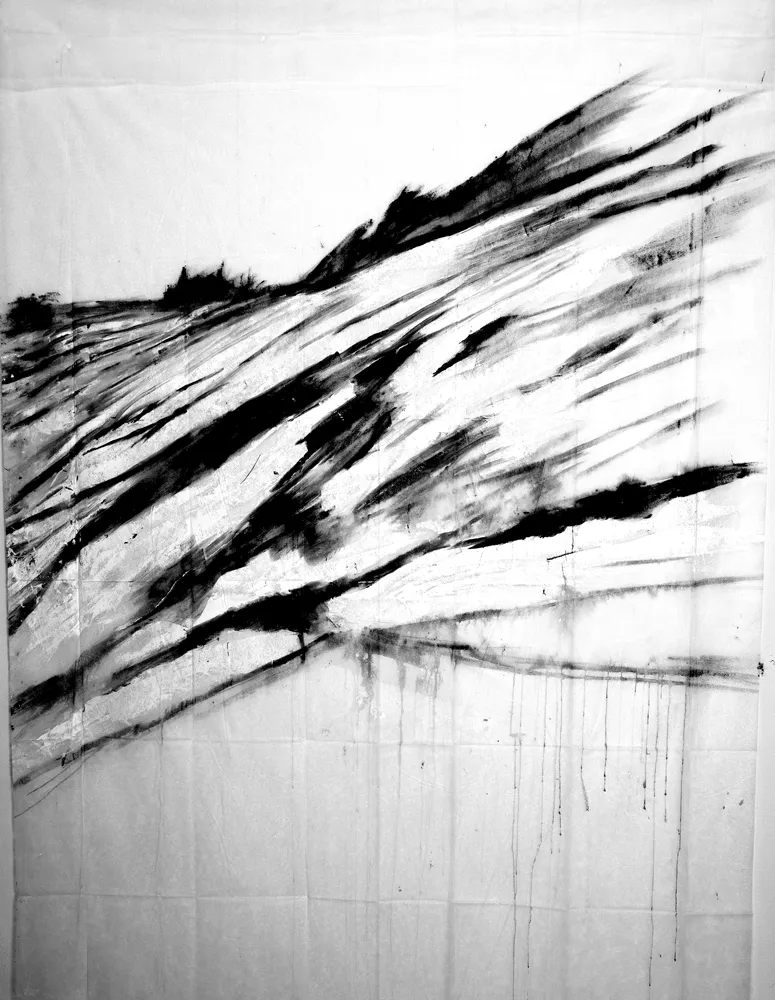
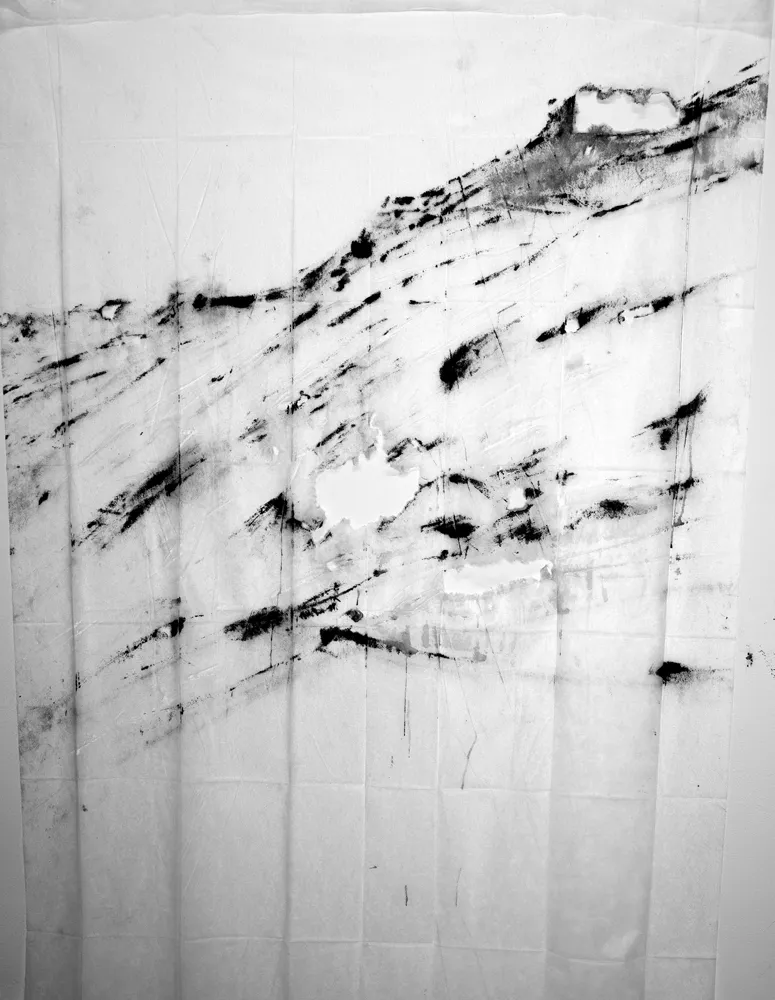
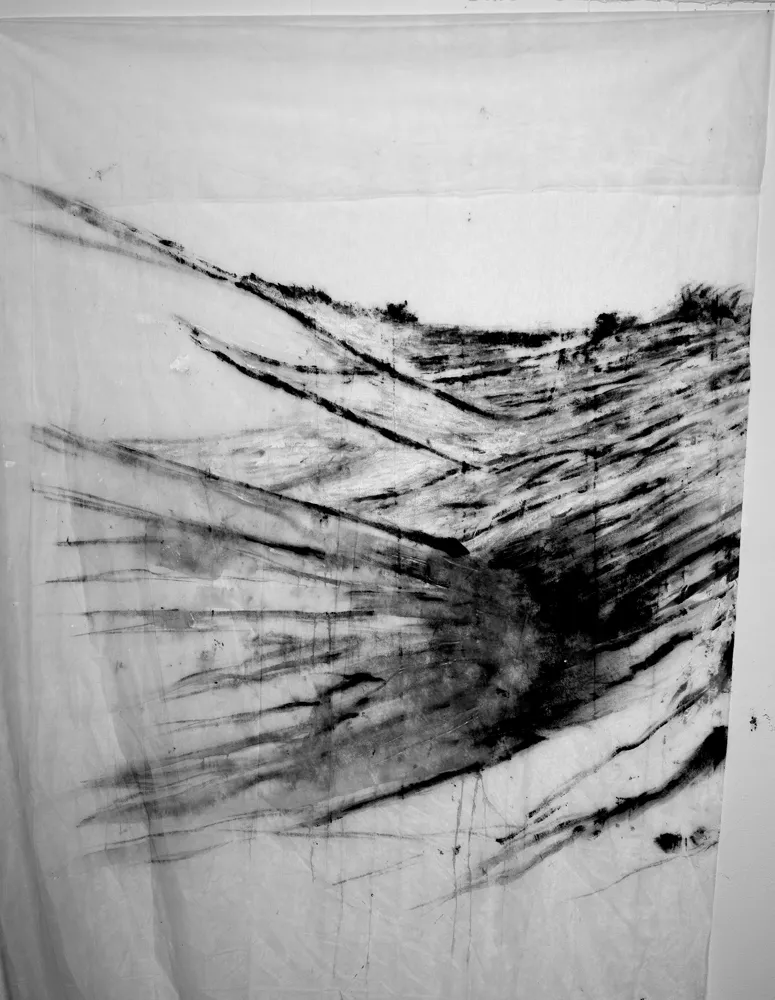
Works by Matias Guerra — six works created for the performance
Photos from the rehearsals
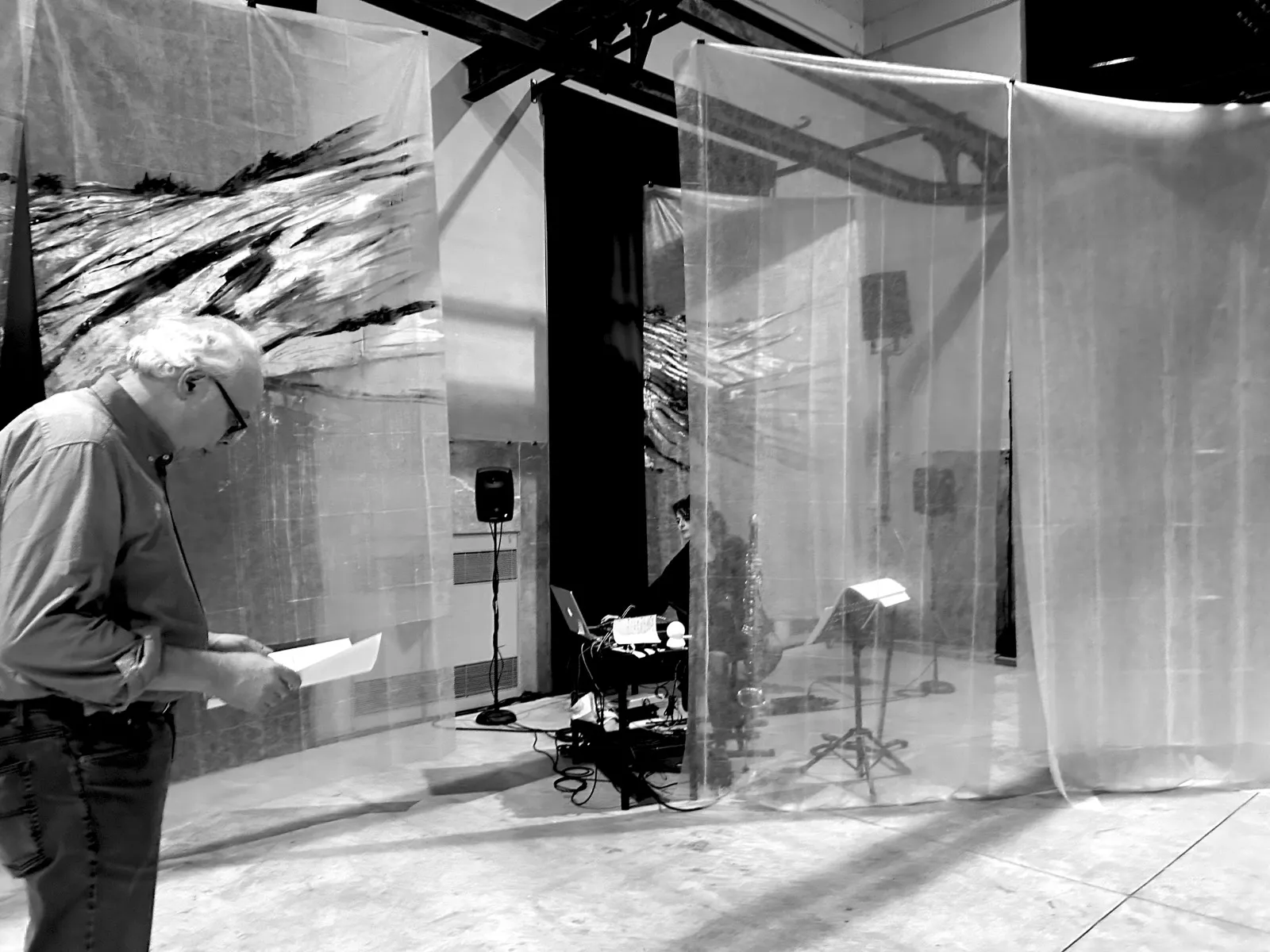
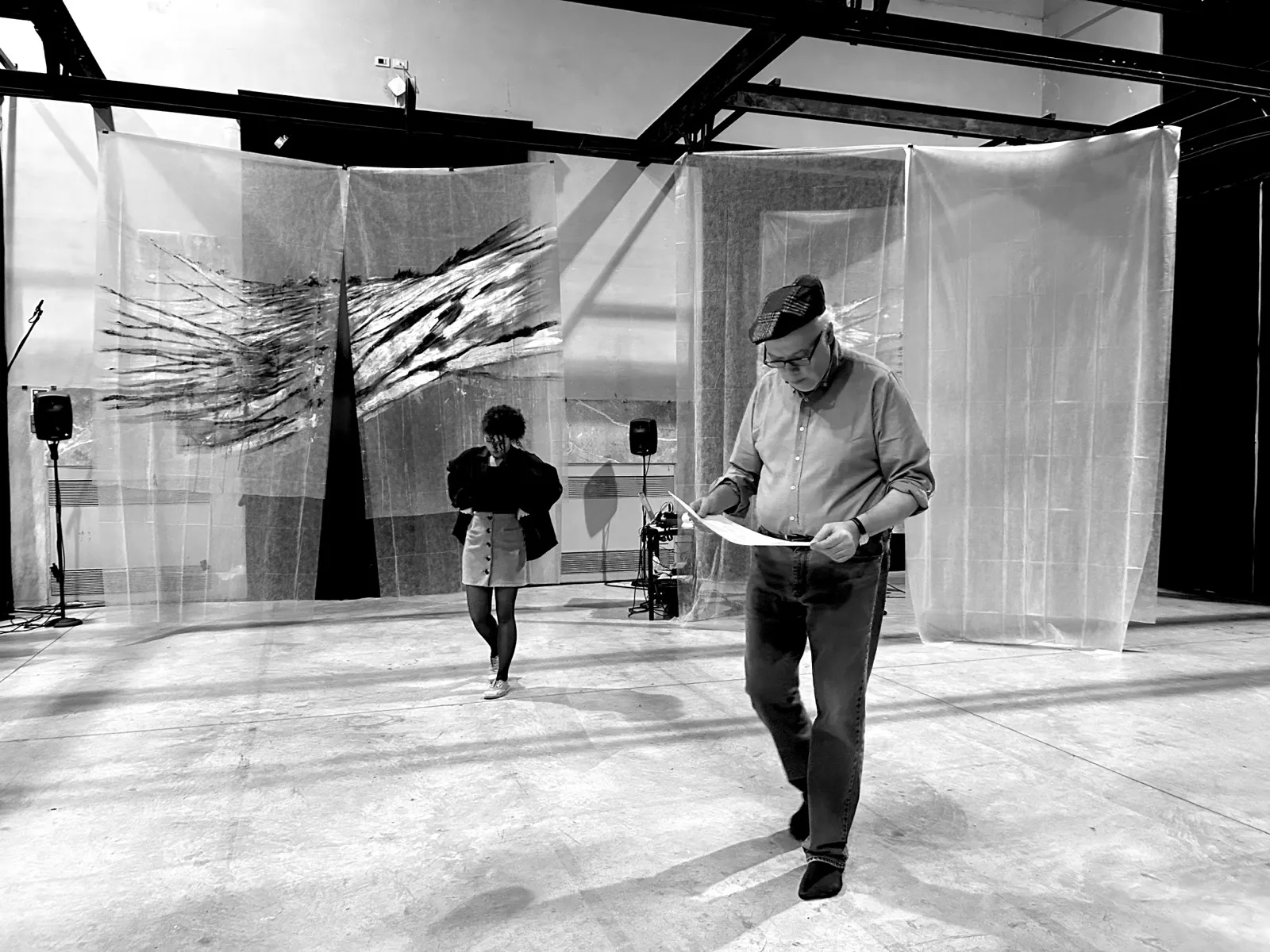
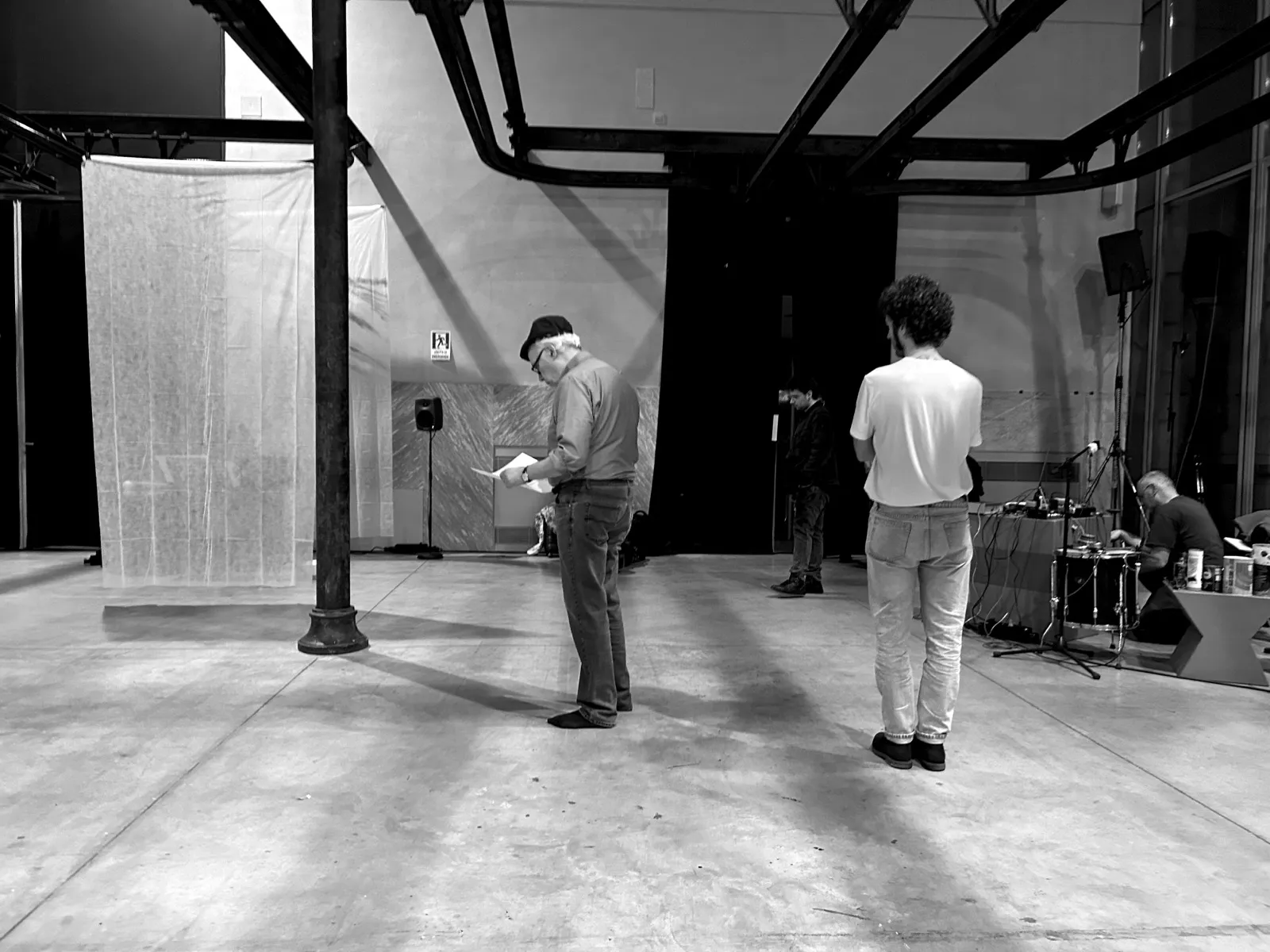
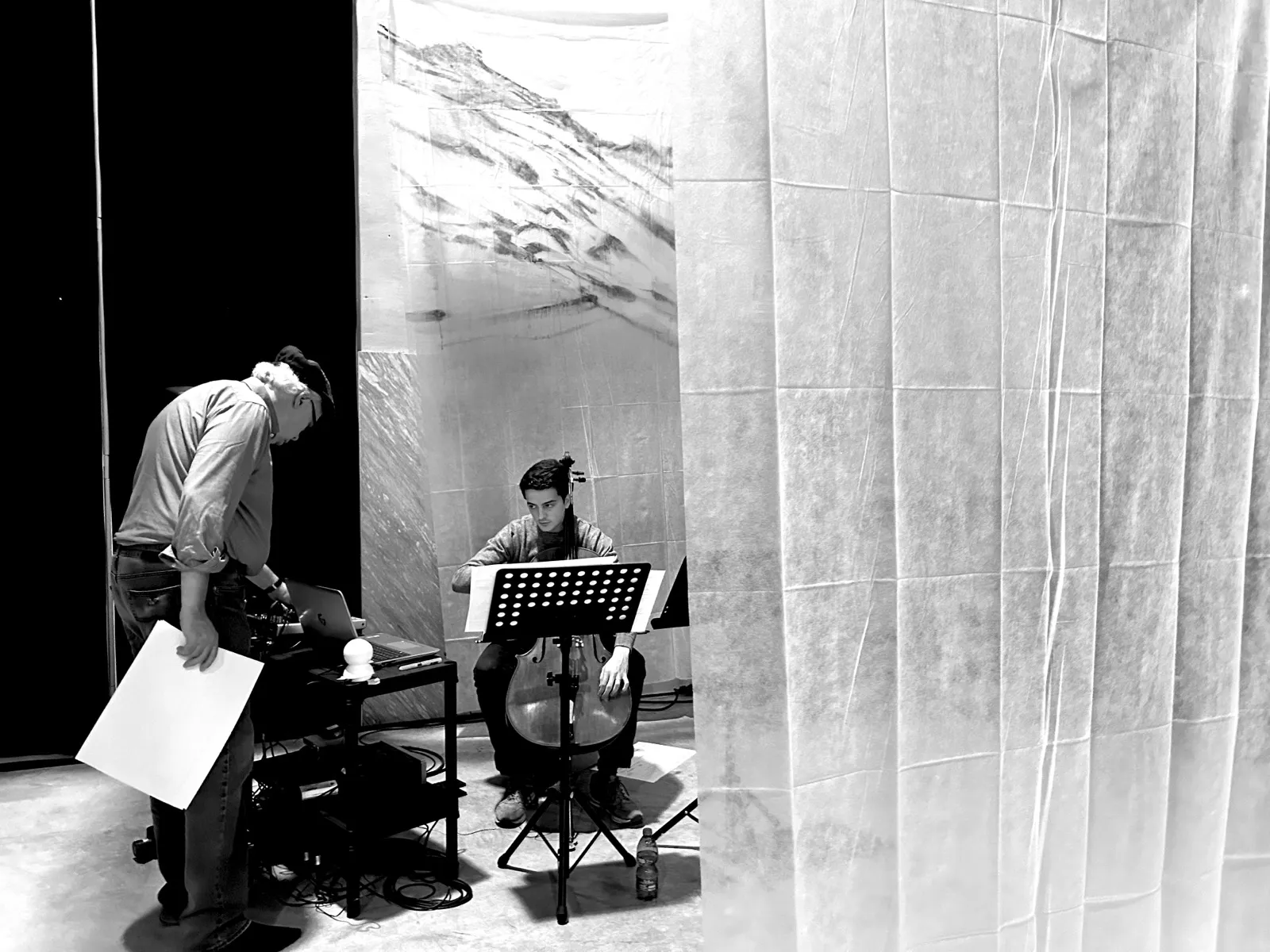
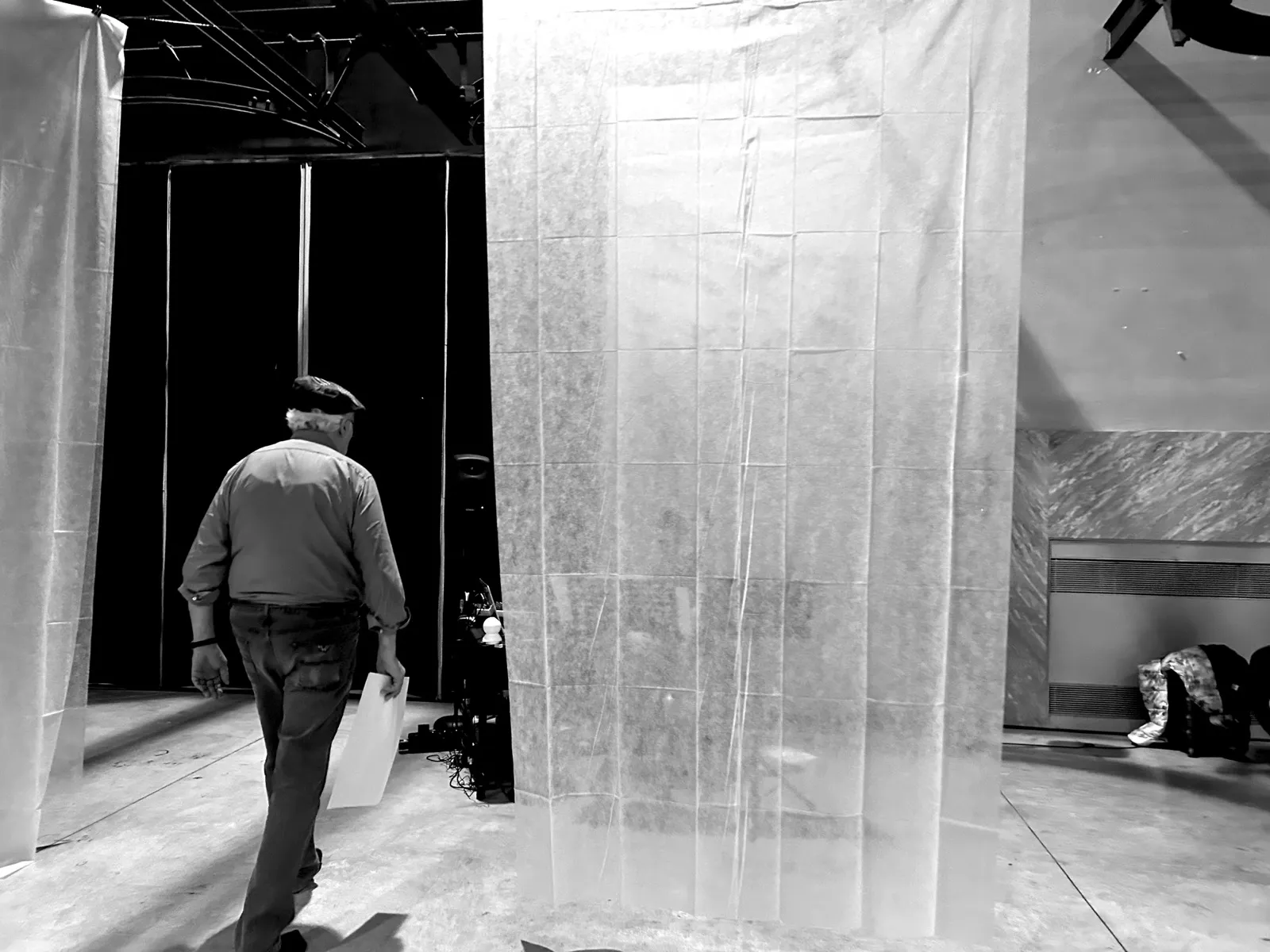
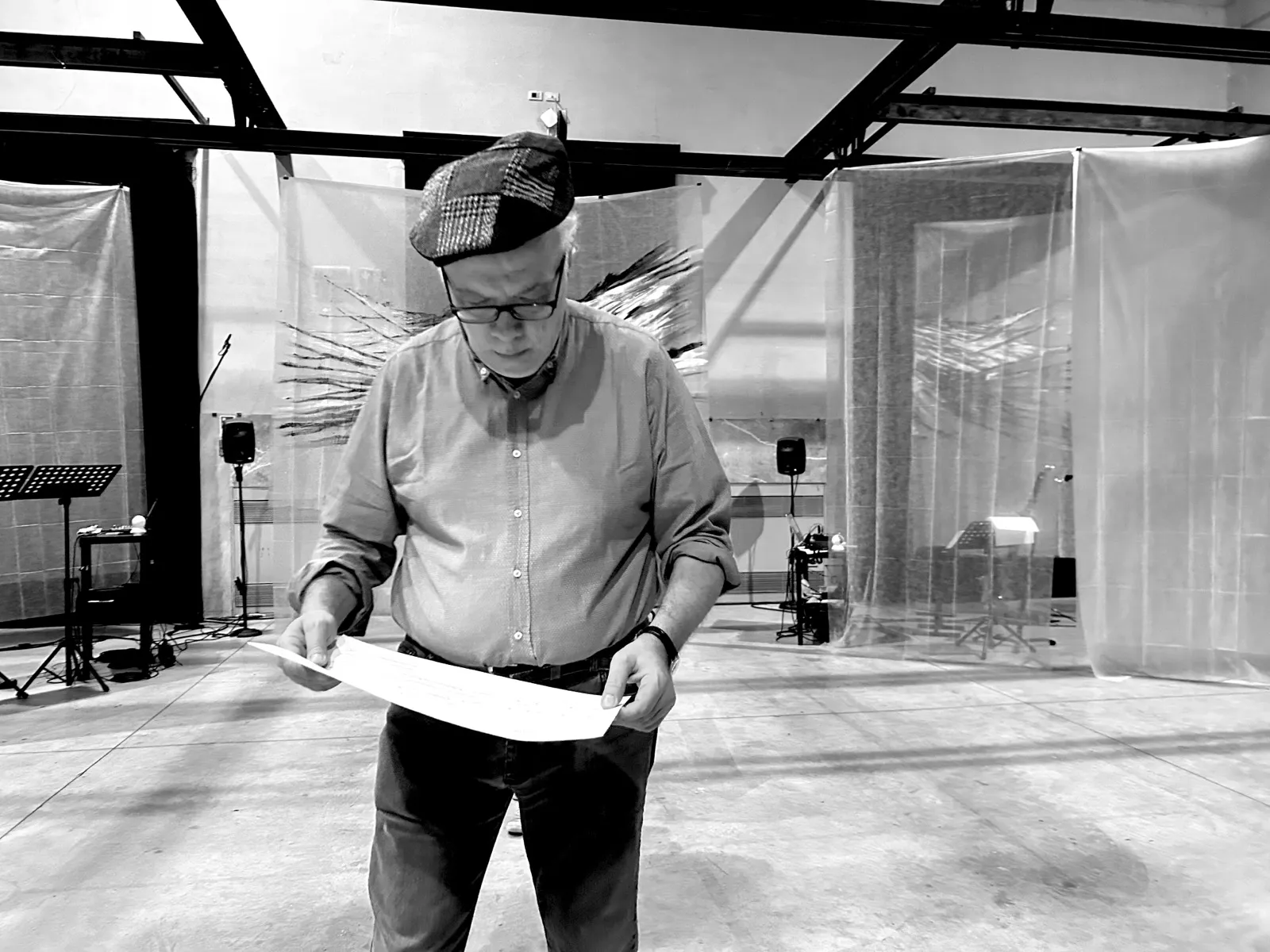
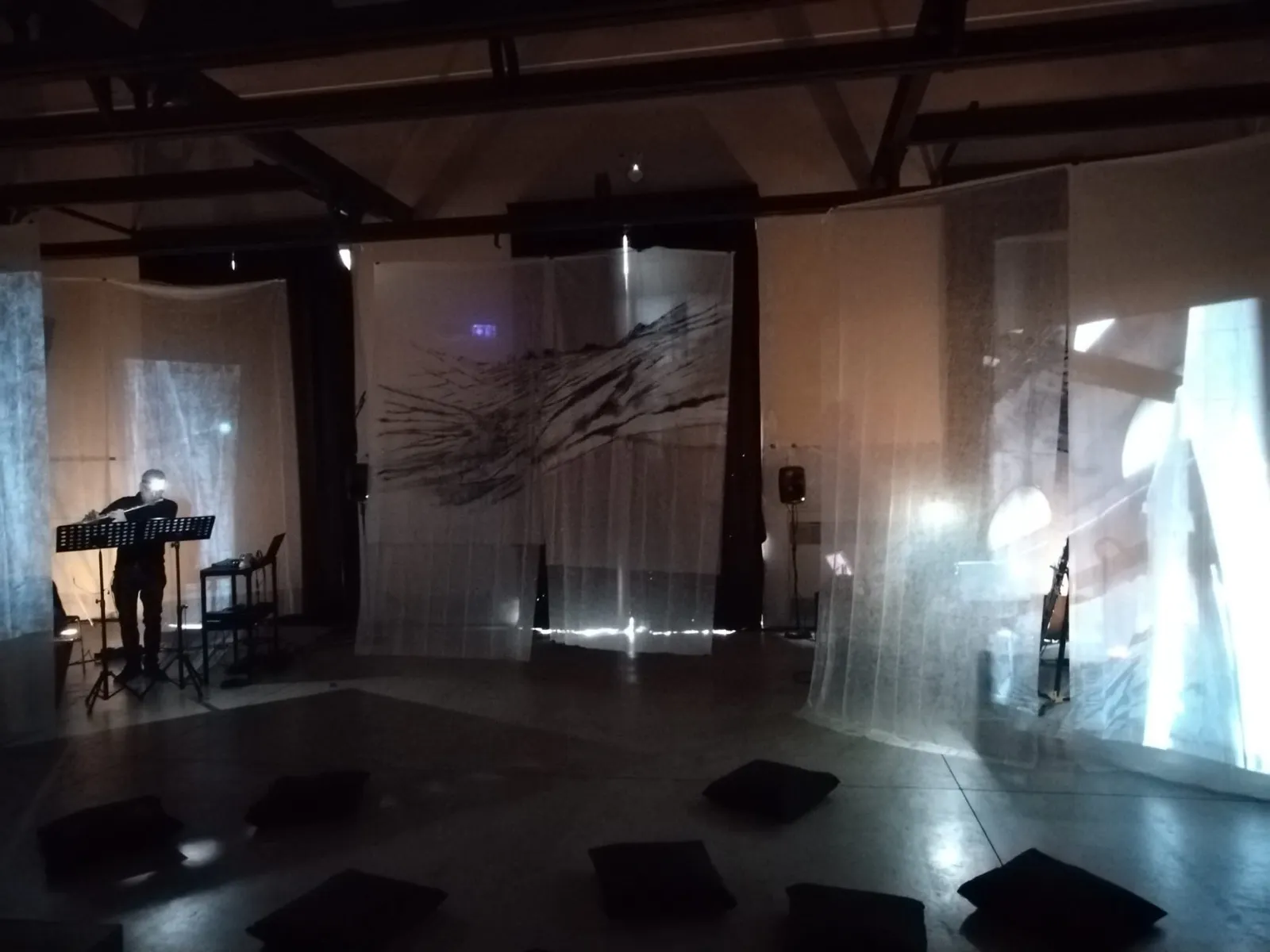
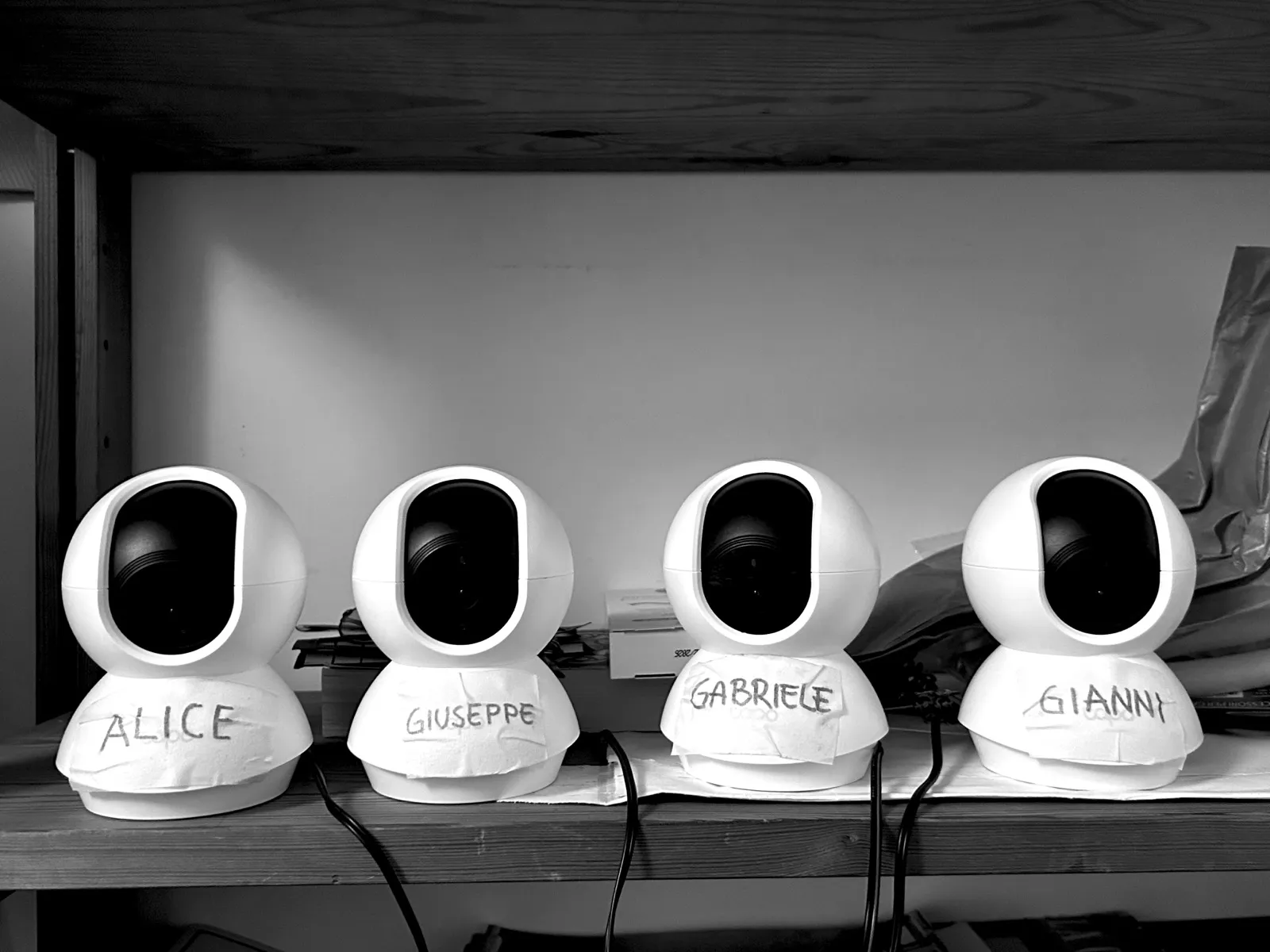
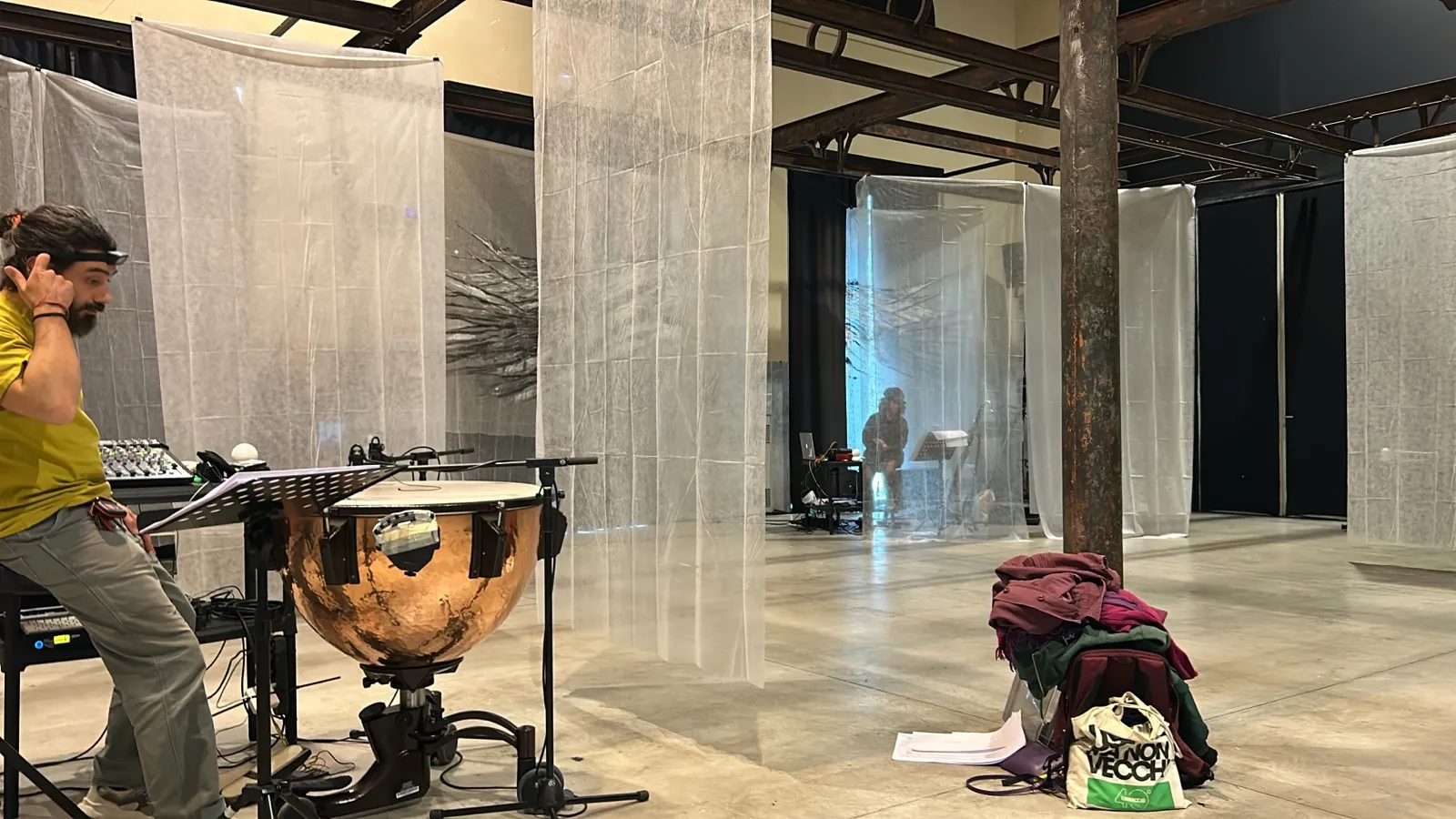
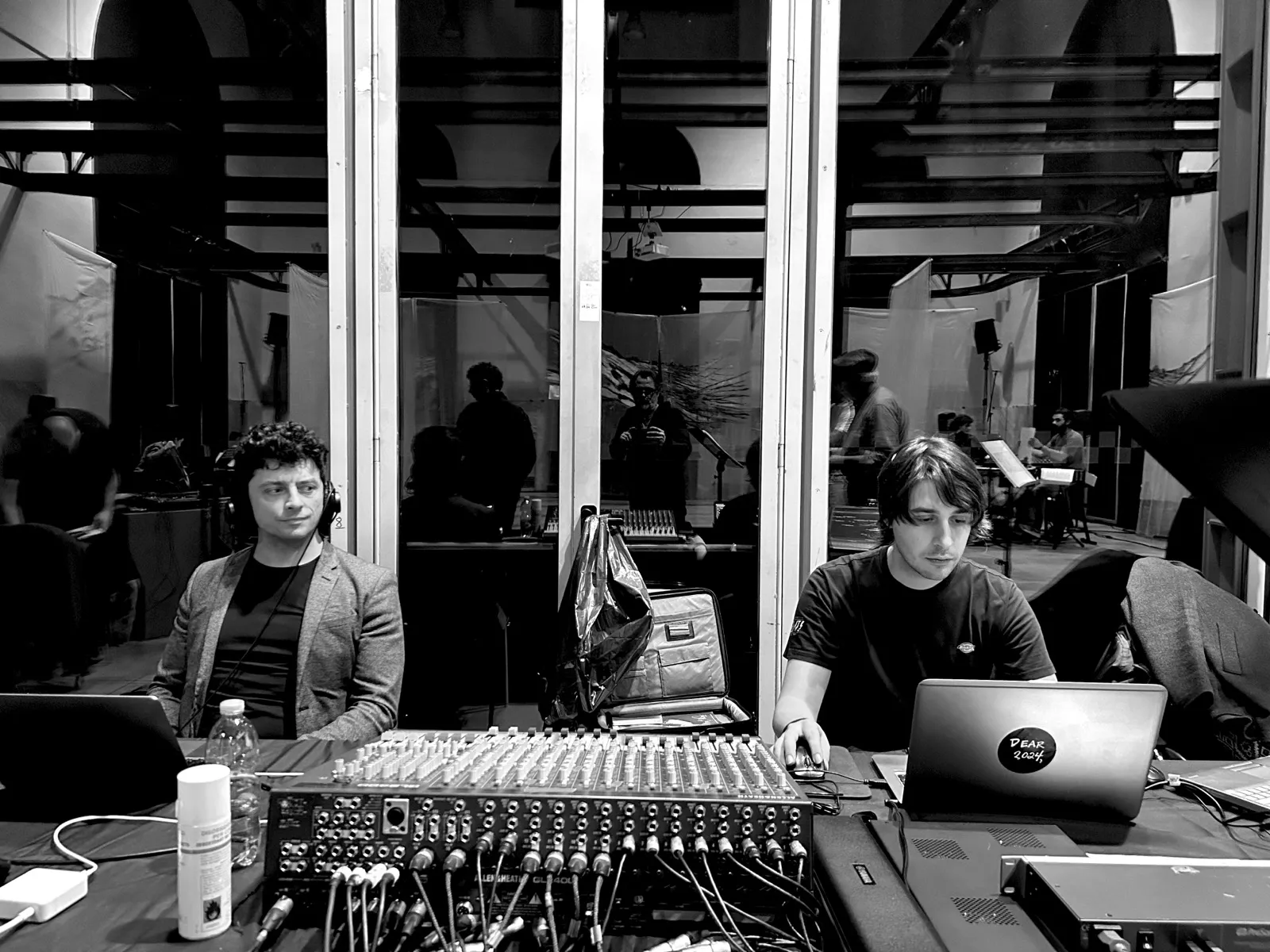
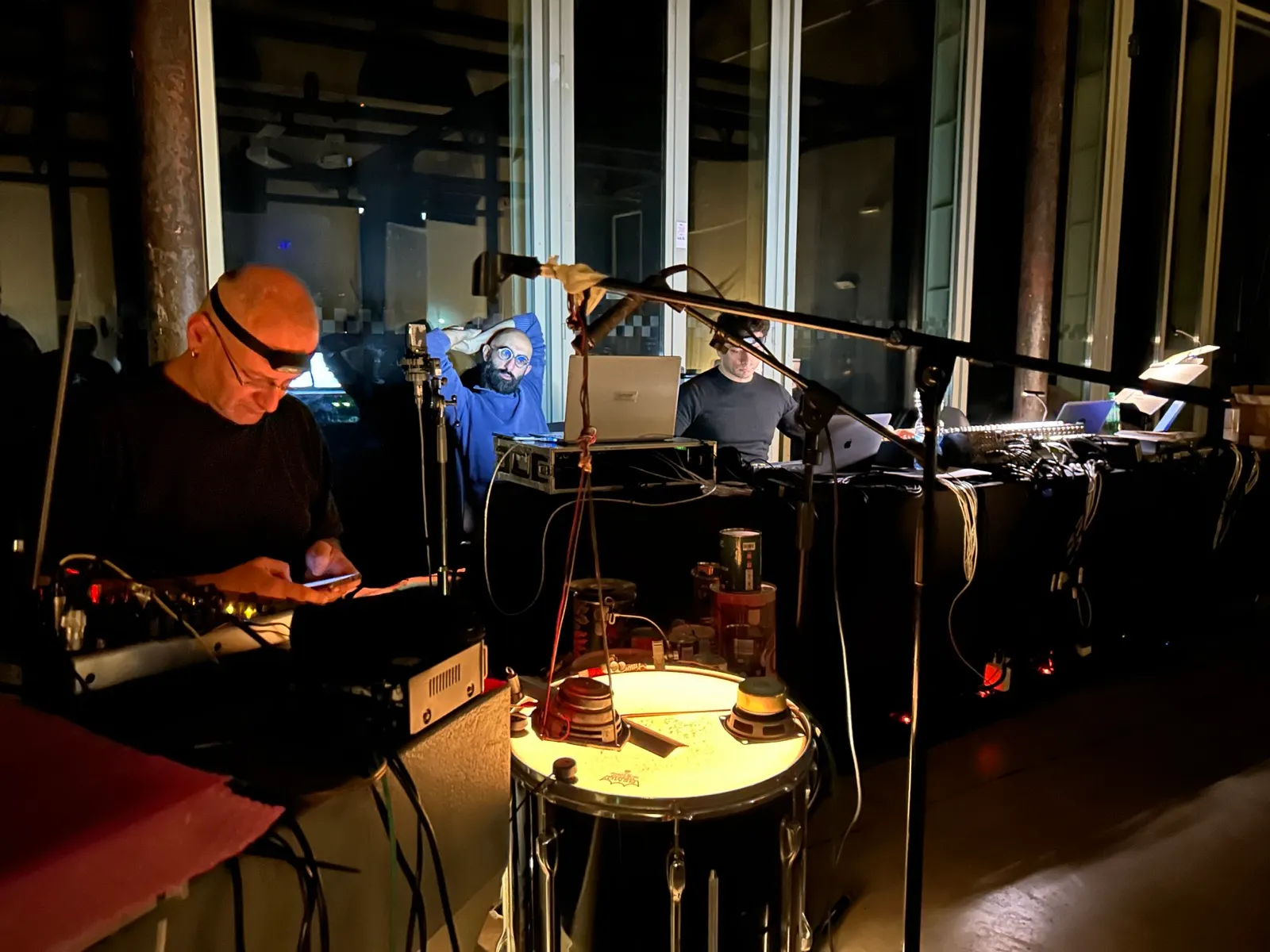
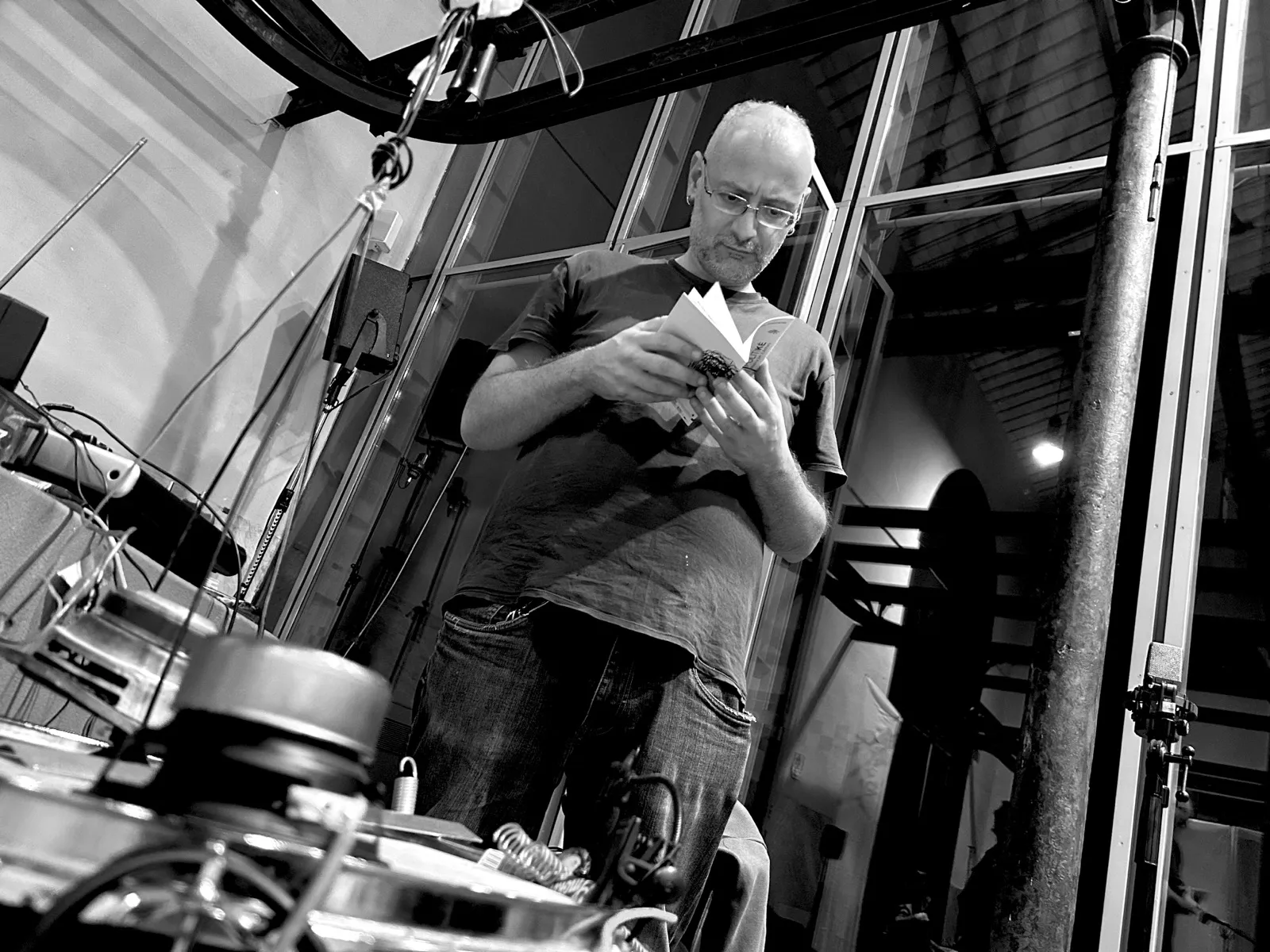
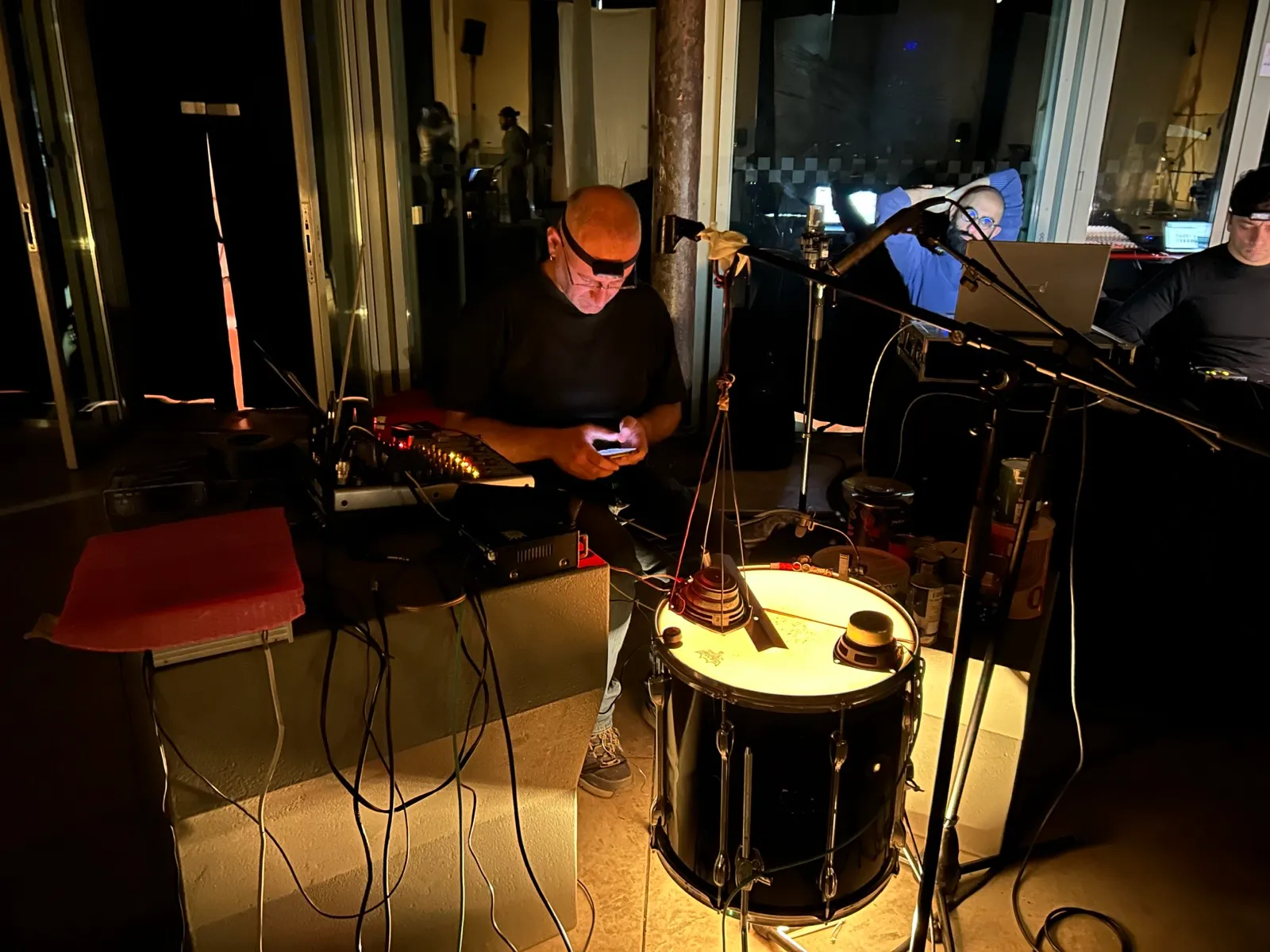
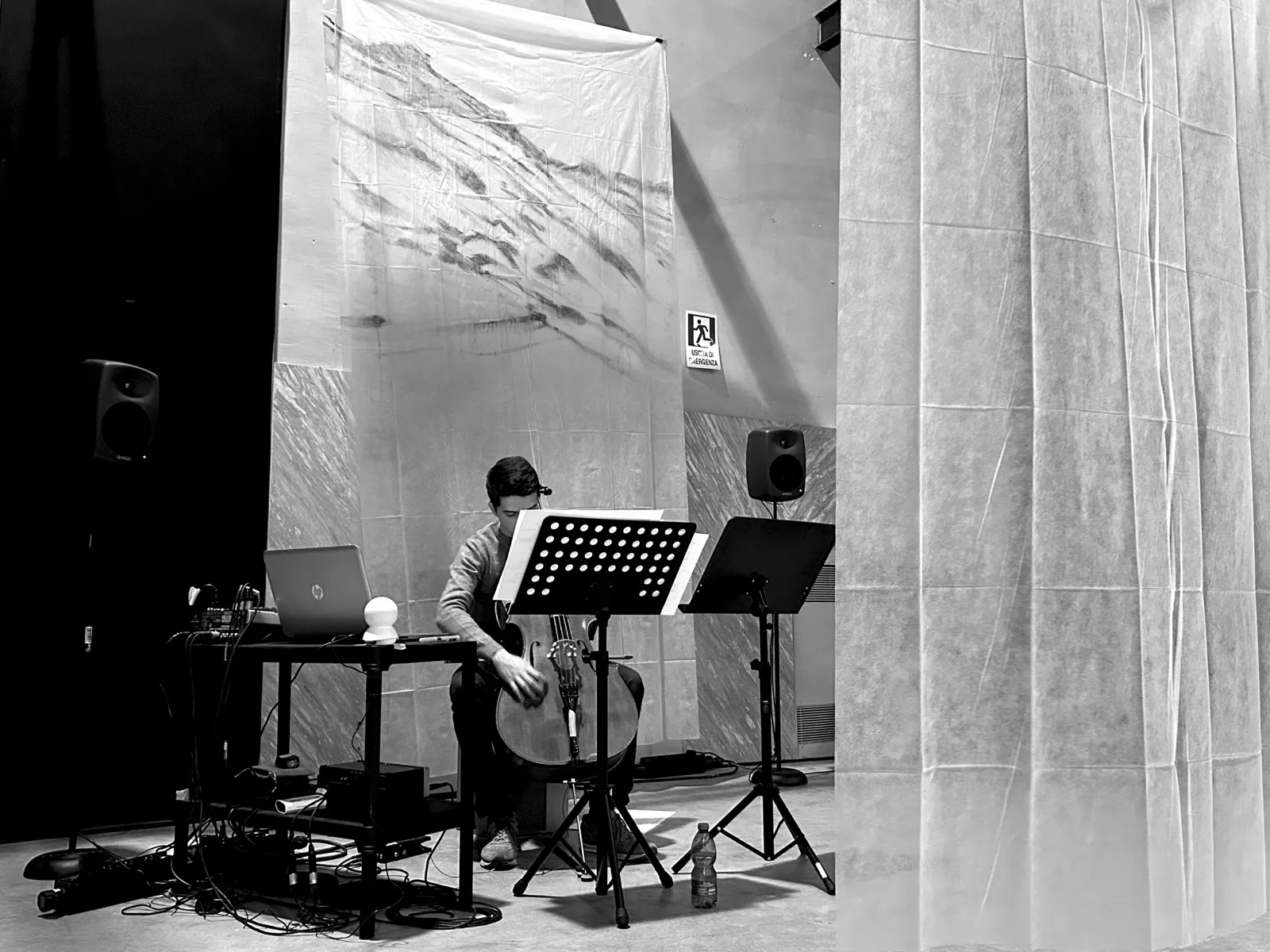
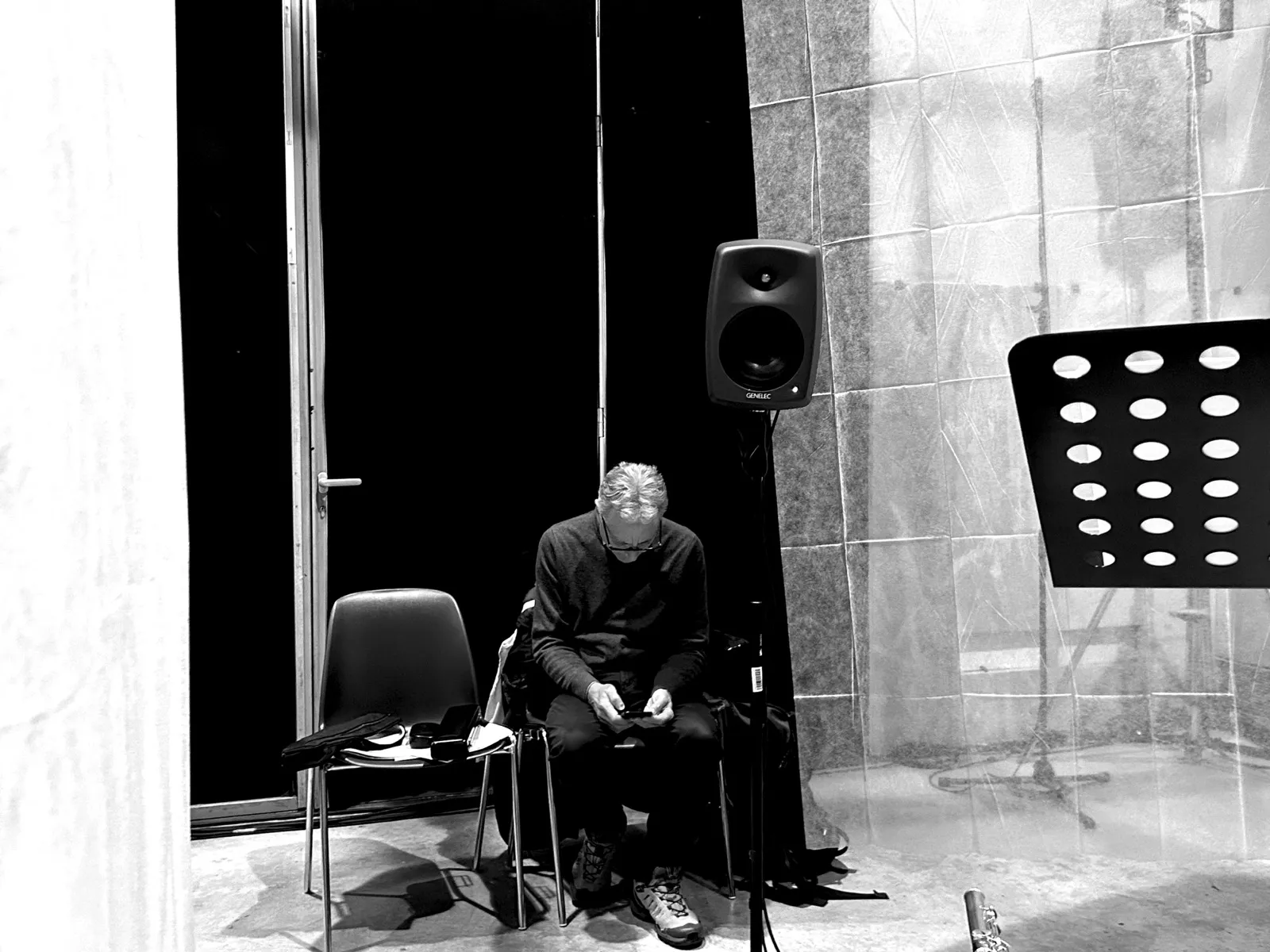
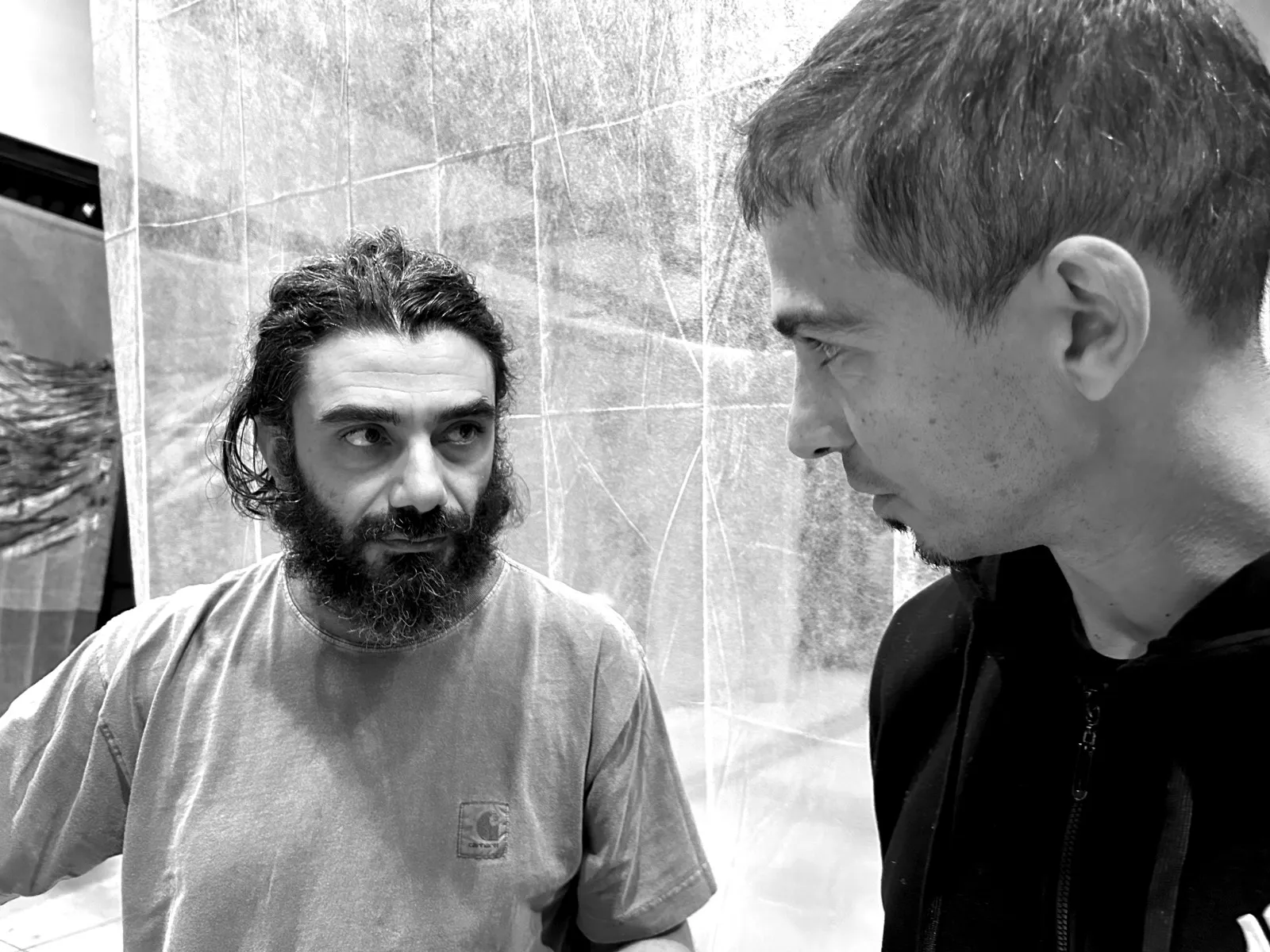
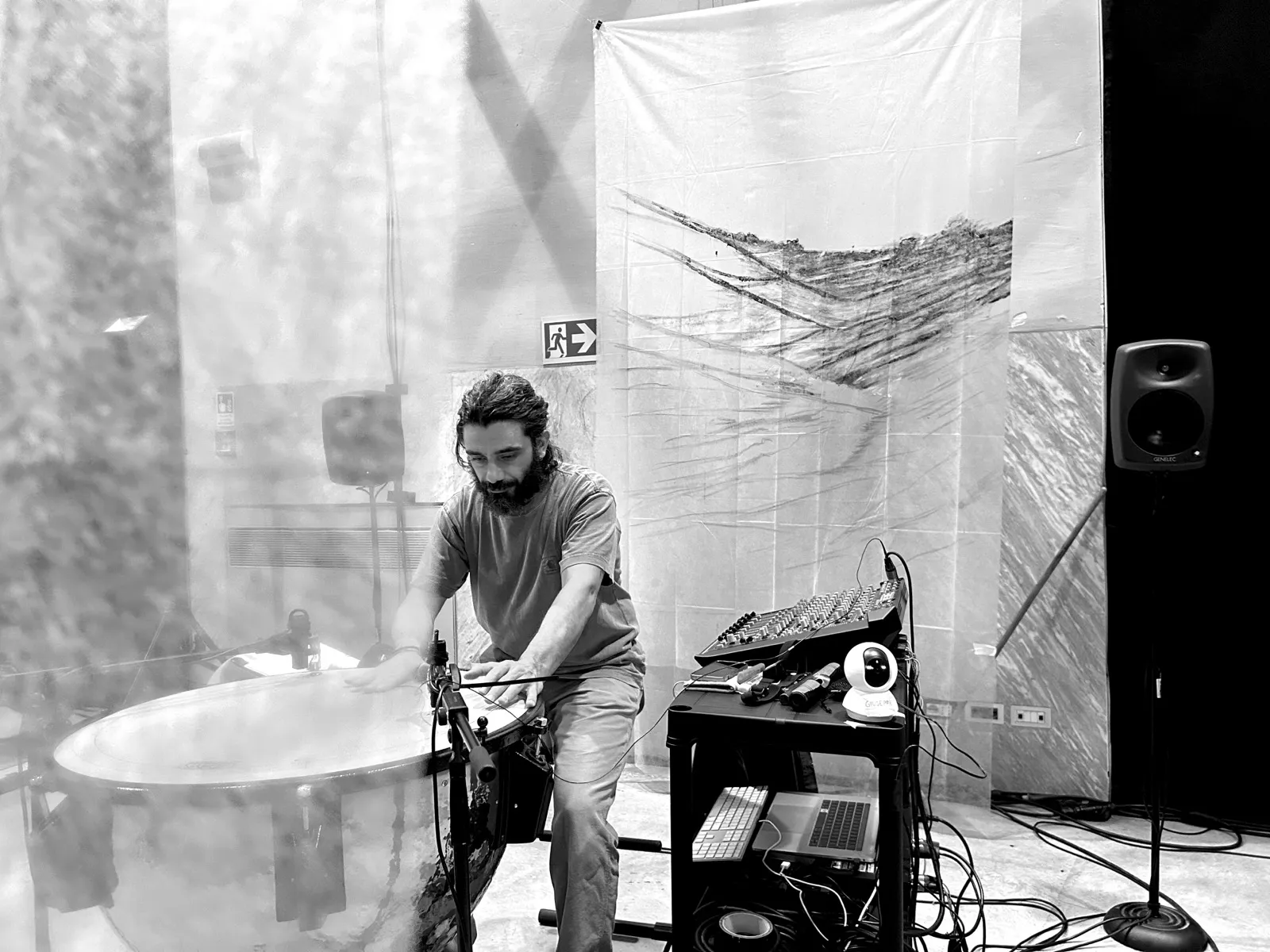
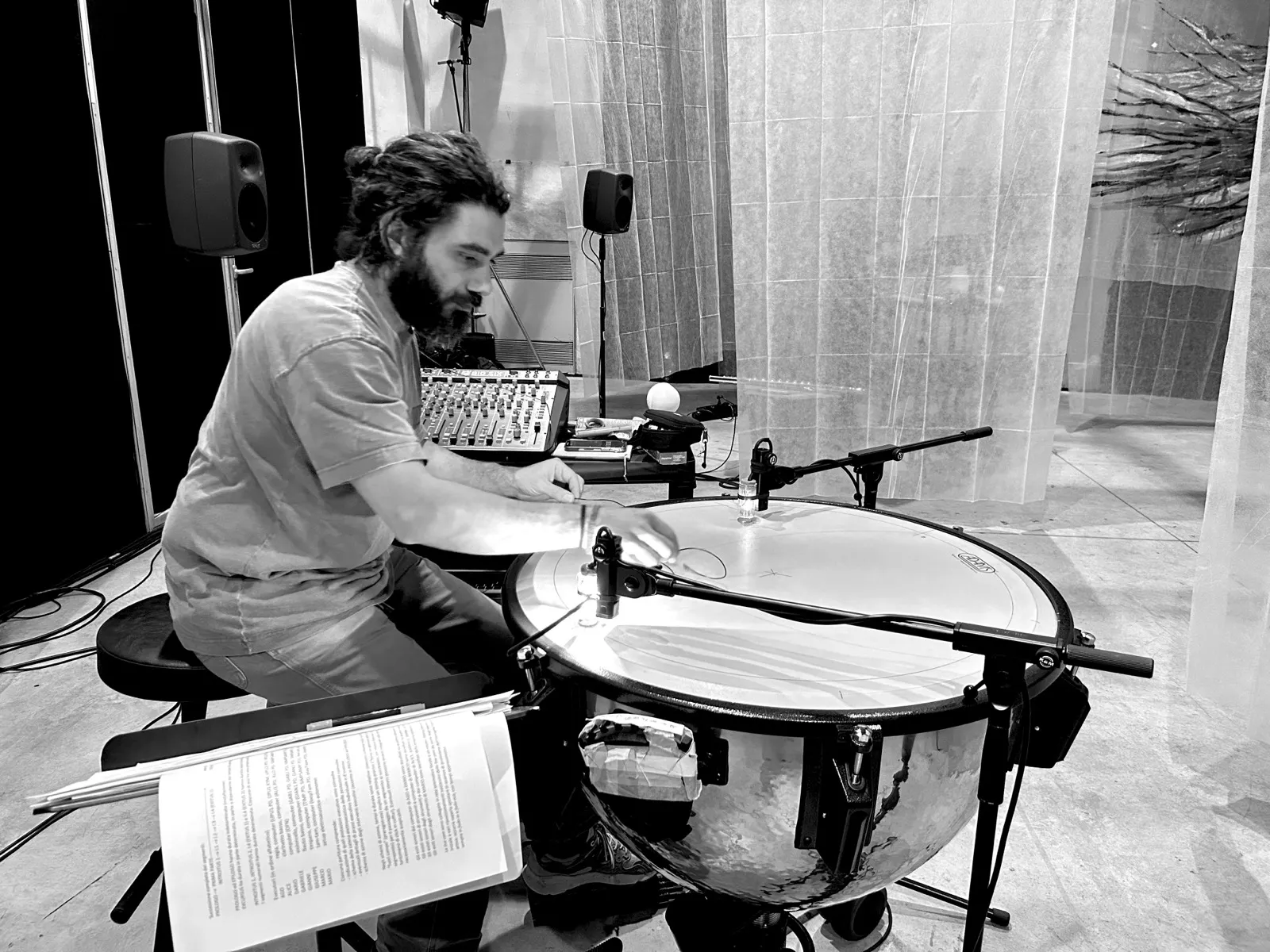
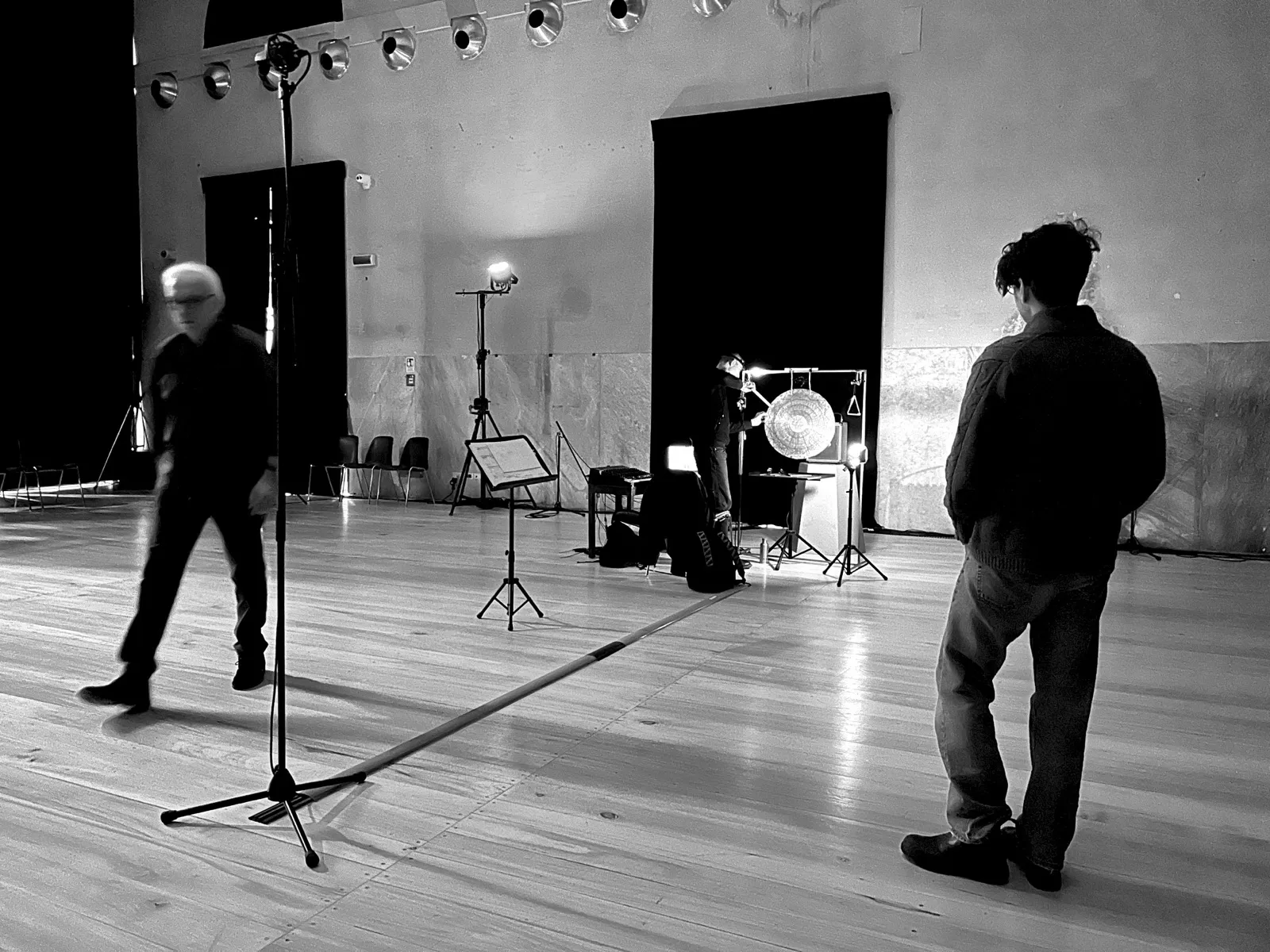
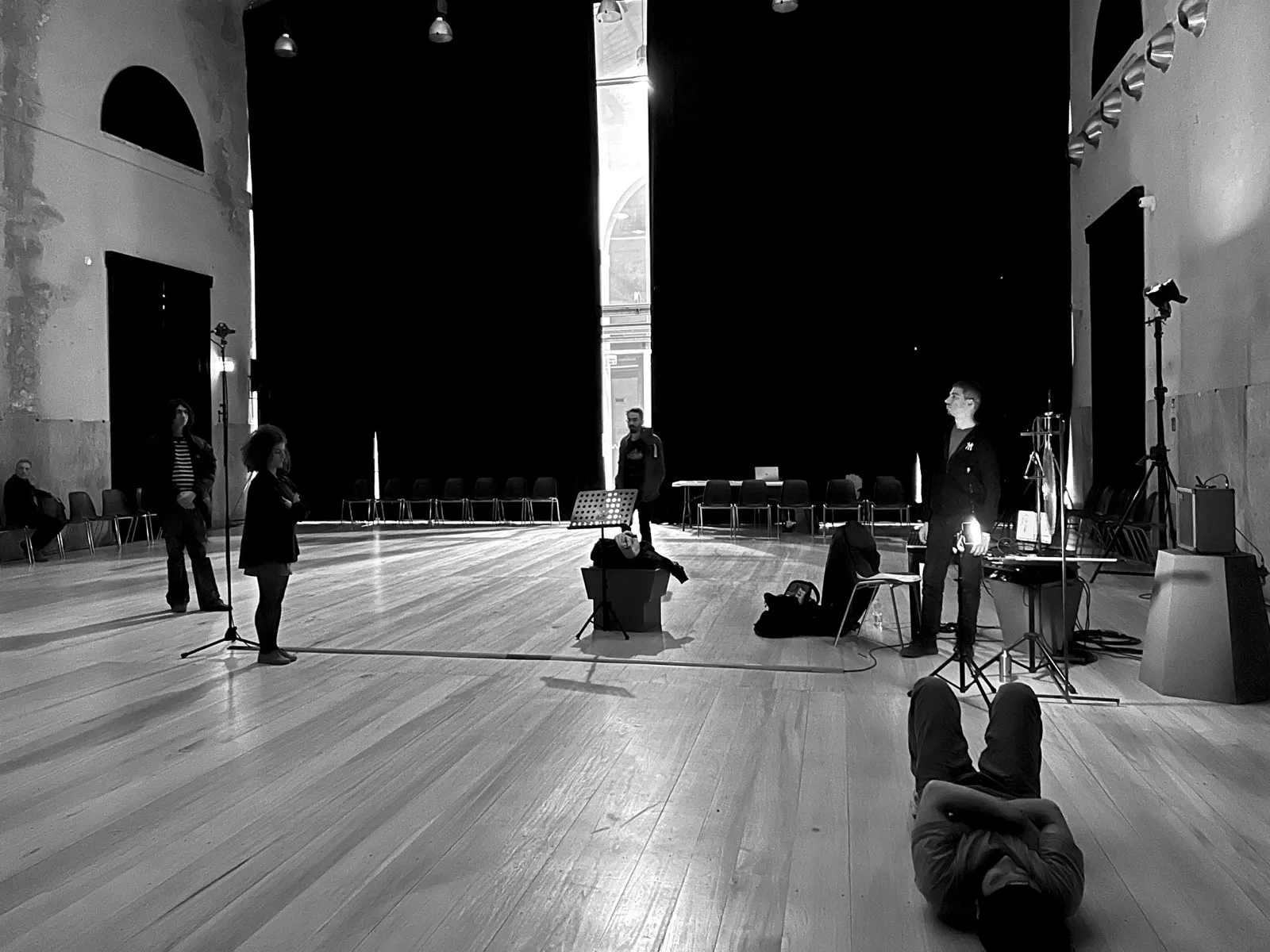
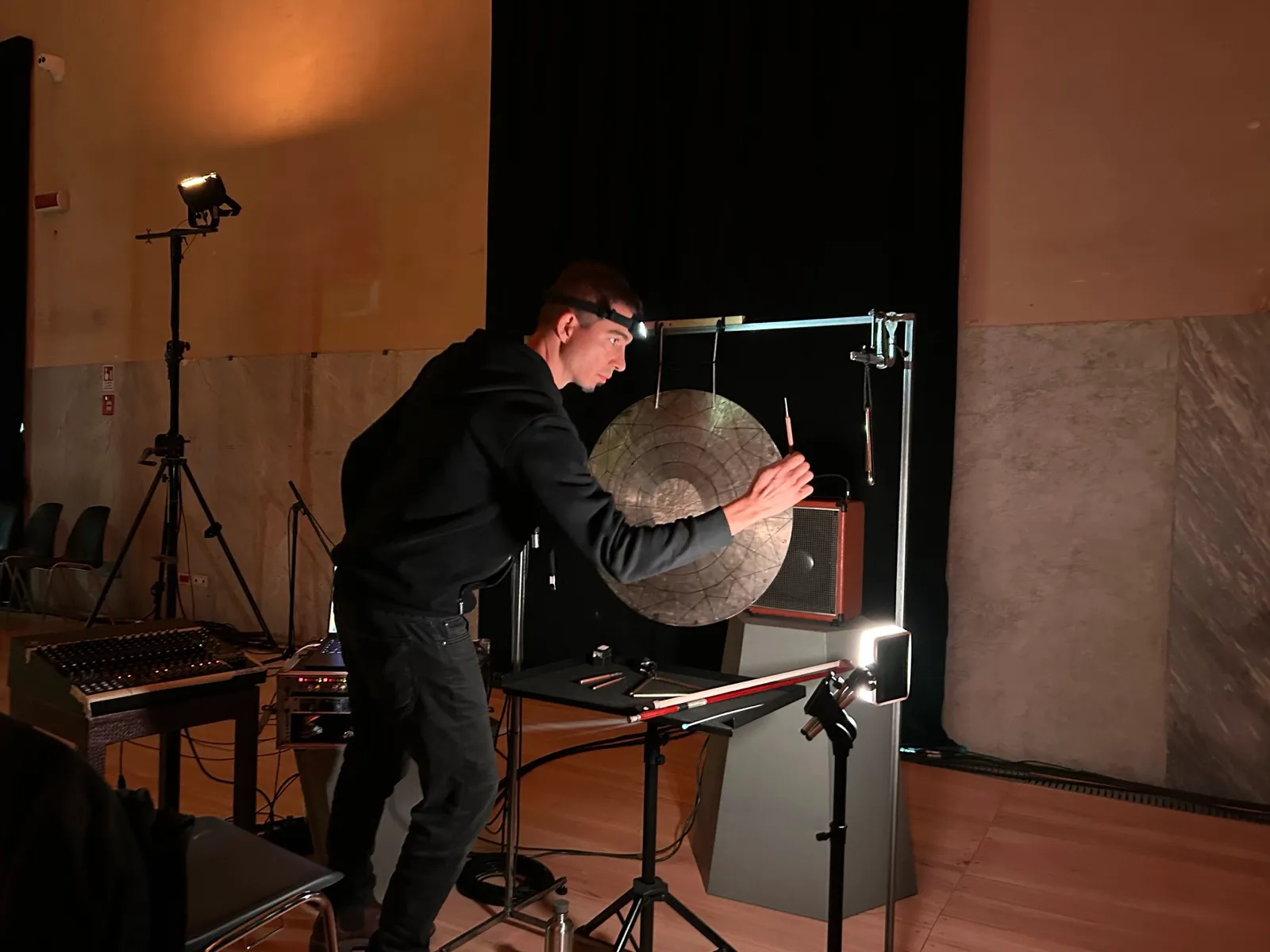
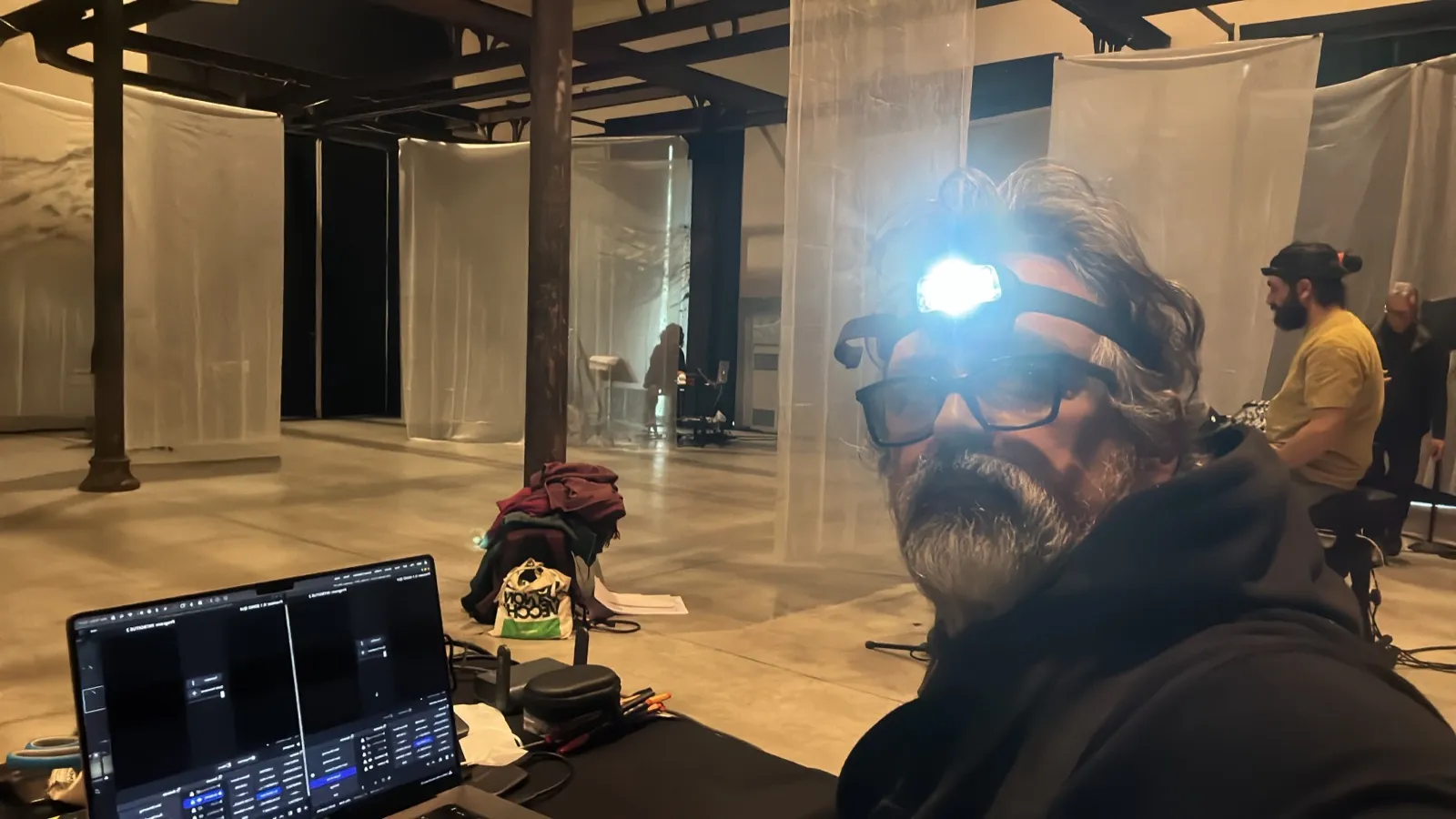
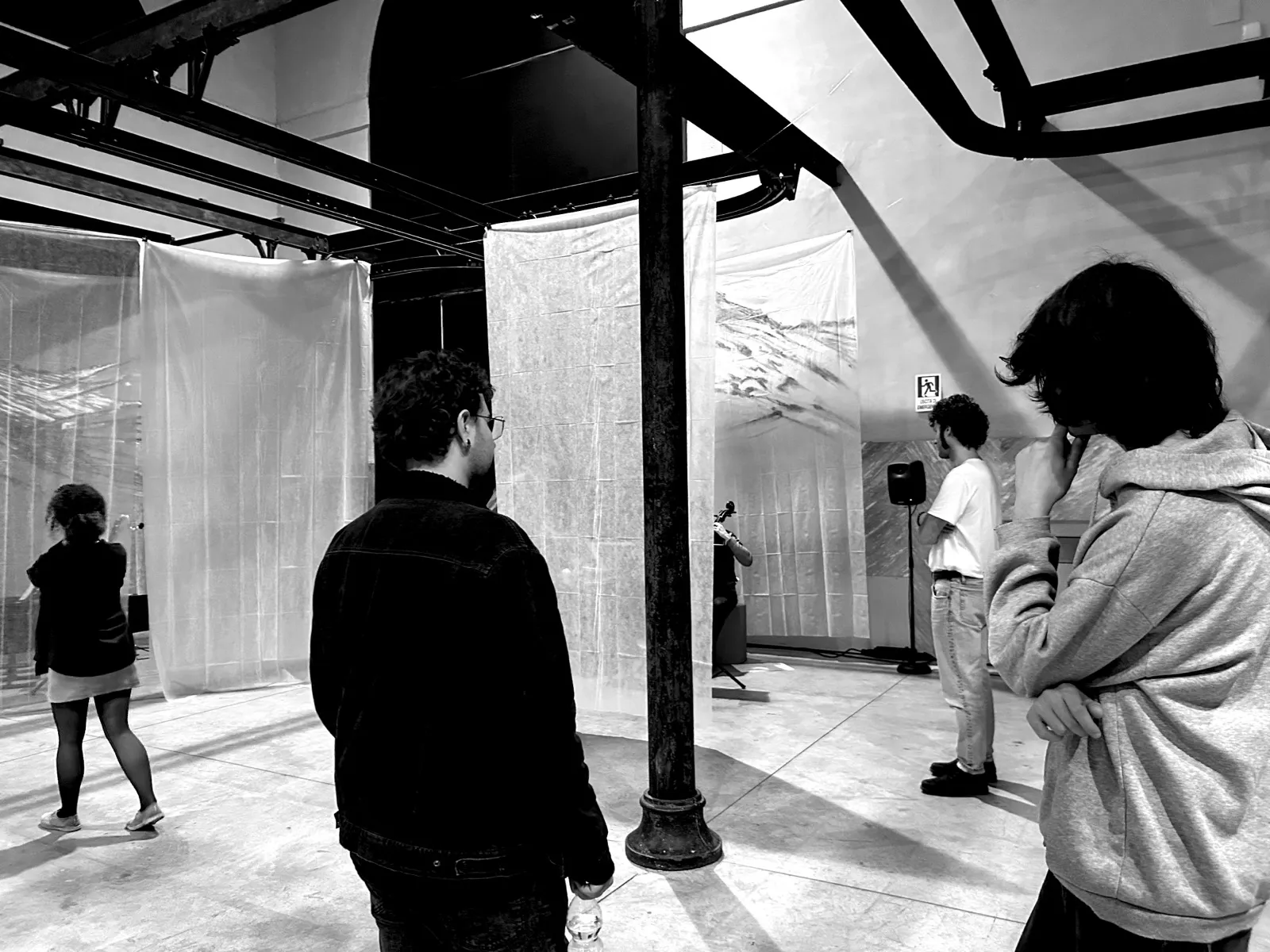
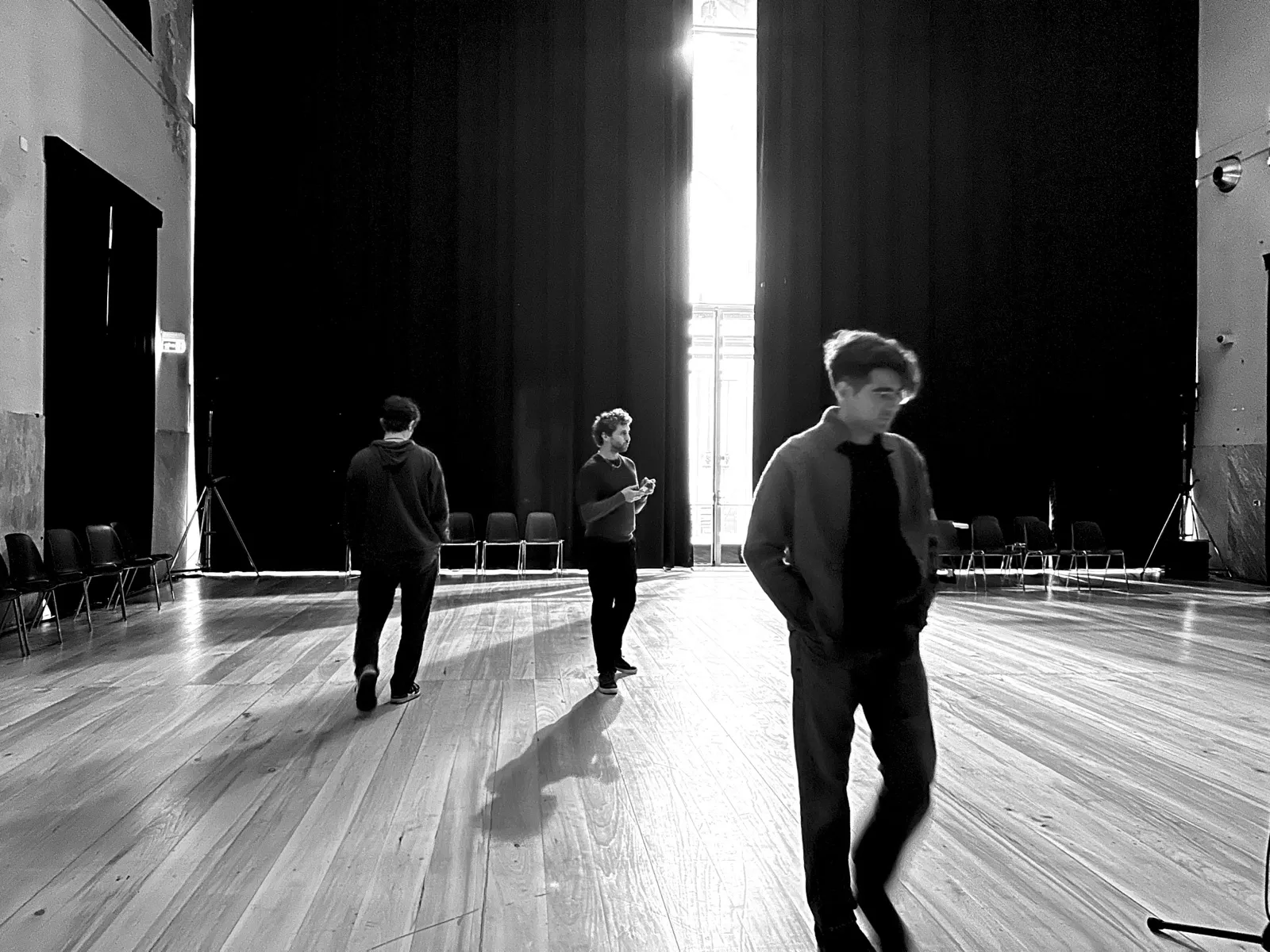
Performance rehearsal photos — Mattatoio La Pelanda, Rome, December 2024